

 Thaimart SEALTHAI
Key Takeaways:
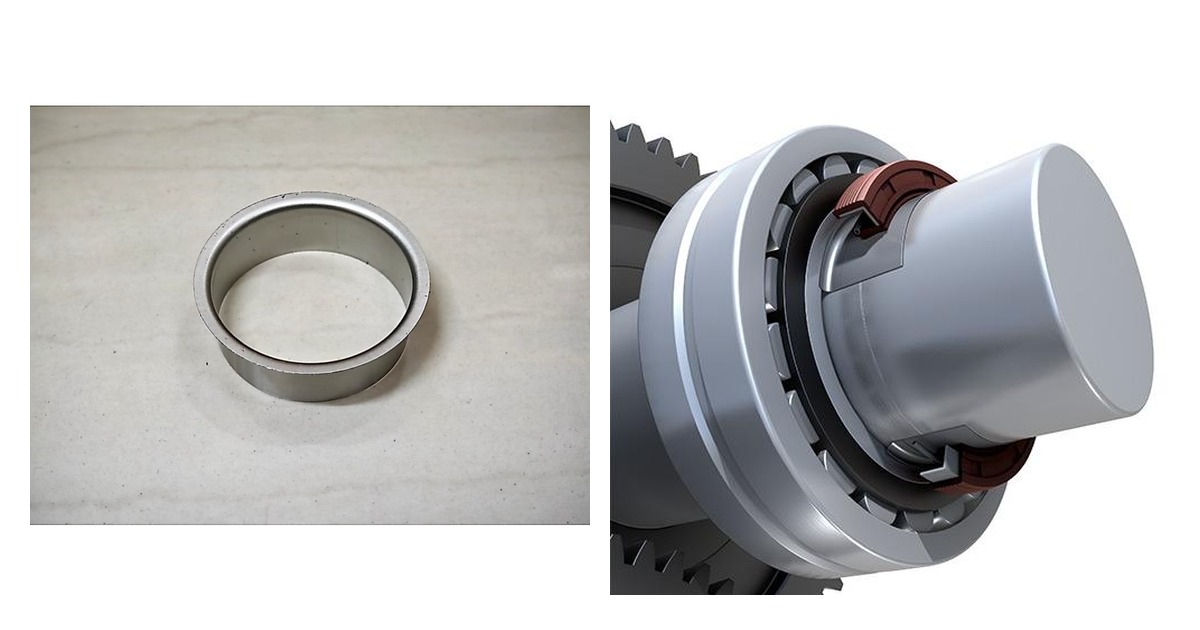
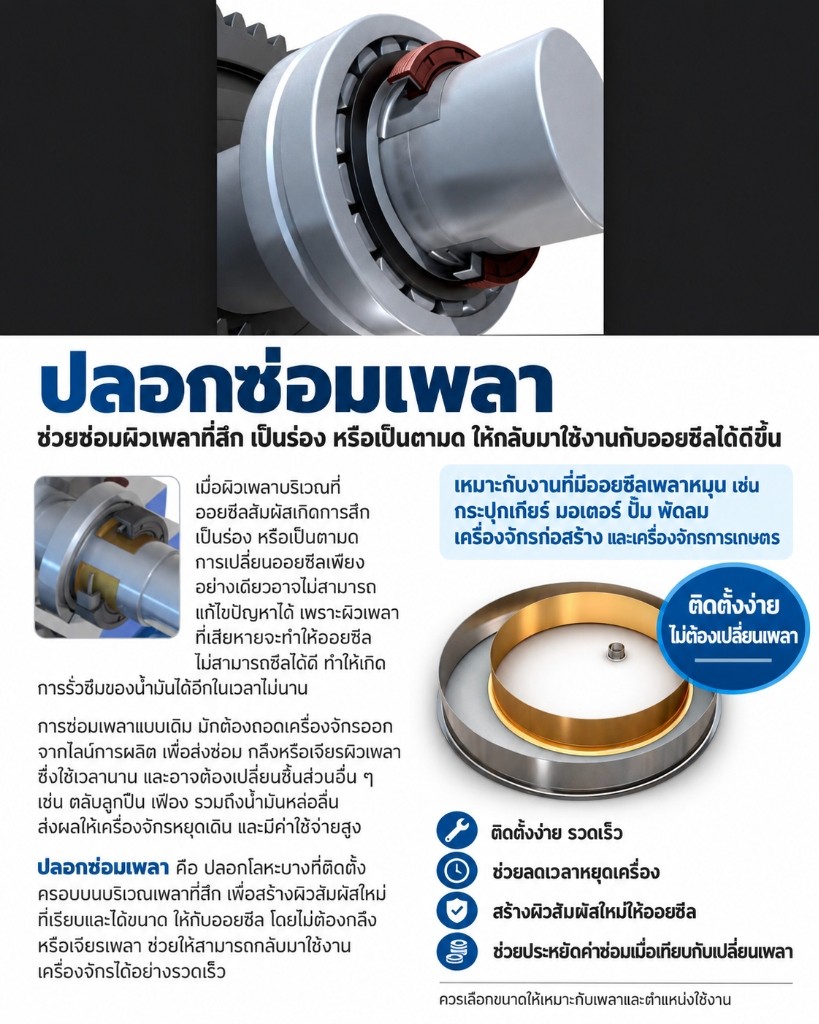
When rotating machinery operates continuously, radial shaft oil seals inevitably score deep grooves or pitting into the shaft surface. When this happens, simply replacing the seal will not stop lubricant leaks. A Shaft Repair Sleeve is an ultra-thin (~0.28 mm) stainless steel precision sleeve that press-fits over the worn area in minutes, providing a brand-new mirror-smooth sealing counterface without requiring a change in seal size or costly shaft remachining.
1. Common Problem: Why Does a New Oil Seal Still Leak on a Worn Shaft?
In rotating machinery maintenance—whether in industrial gearboxes, electric motors, or hydraulic pumps—a recurring frustration is replacing an oil seal only to have oil begin leaking again shortly after restart.
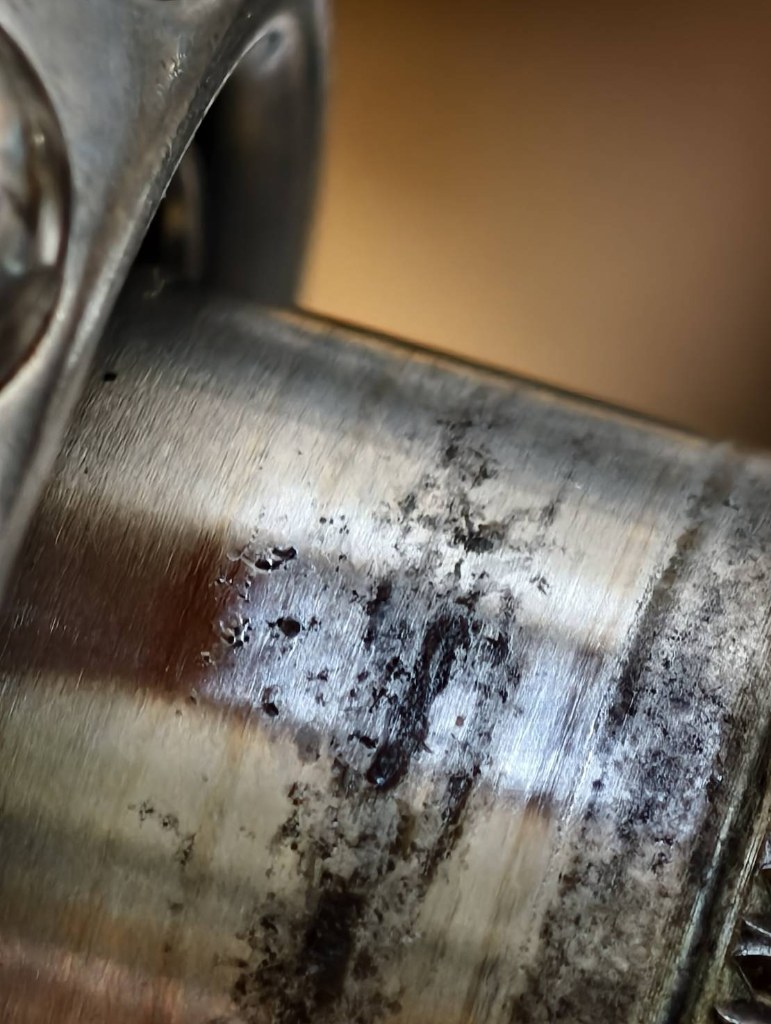
The root cause is almost never a defective seal, but rather "Shaft Sealing Surface Damage":
- Shaft Grooving: Under continuous high-speed rotation and exposure to micro-abrasive dust particles, the seal lip acts like a miniature cutting tool, carving a groove into the steel shaft. A replacement seal lip cannot seat flush inside the groove.
- Shaft Pitting & Corrosion: Moisture, environmental contaminants, or seasonal downtime cause microscopic corrosion cavities (pitting) that serve as bypass channels for lubricant leakage.
Disadvantages of Traditional Repair Methods: Historically, repairing a grooved shaft required completely dismantling the machine, removing the shaft, welding/metal-spraying the damaged area, and remachining/grinding it to tolerance. This incurs massive downtime, high machining costs, and thermal distortion risks that can warp the shaft or compromise its metallurgical integrity.
2. What is a Shaft Repair Sleeve?
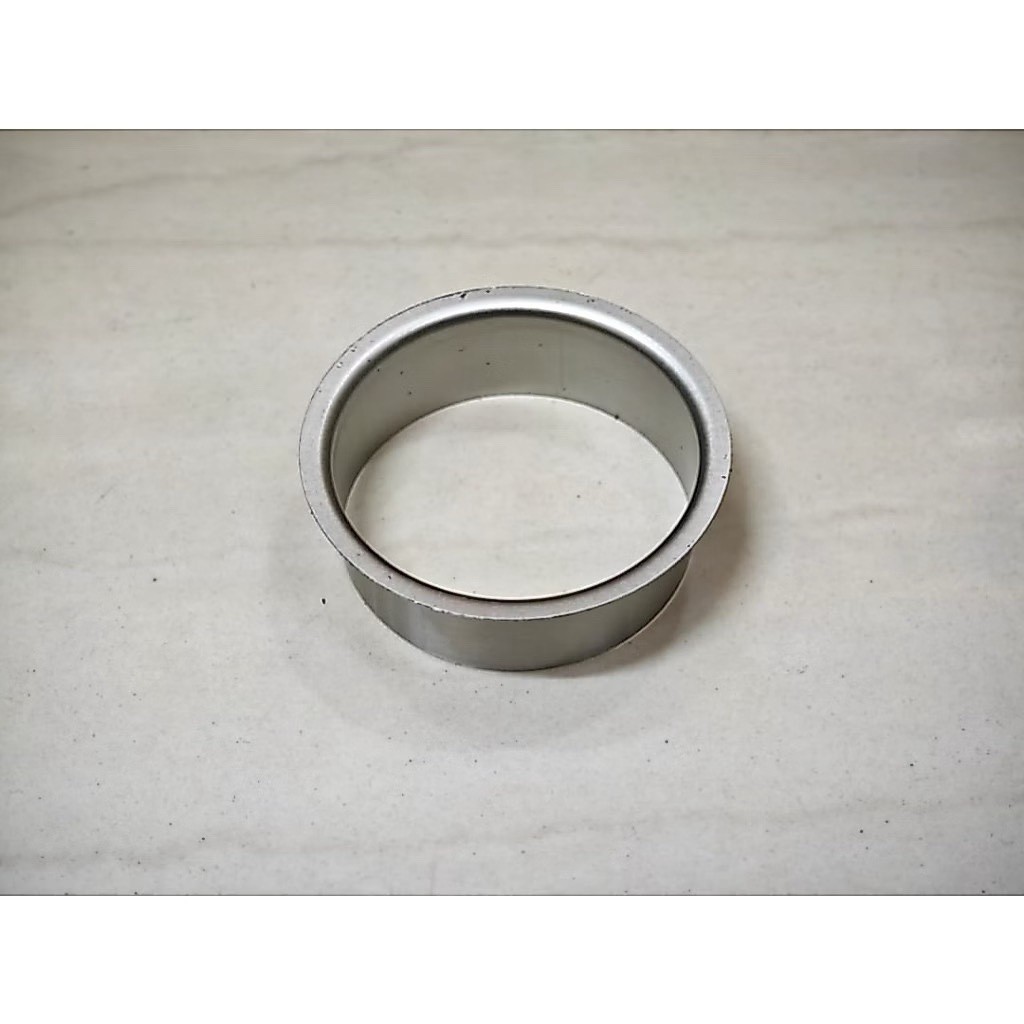
A Shaft Repair Sleeve is a high-grade stainless steel sleeve featuring an ultra-thin wall (approximately 0.28 mm / 0.011 in). Its outer surface is precision ground and polished to a fine finish of Ra 0.25 – 0.5 µm.
Engineered to press-fit over the damaged sealing area, the sleeve provides a "Brand-New Sealing Counterface" that is more wear-resistant than standard carbon steel shafts.

Key Engineering Advantages:
- Retain Original Oil Seal Size: The ultra-thin 0.28 mm wall thickness increases the shaft diameter by only ~0.56 mm, well within the radial elasticity and spring compensation range of standard oil seals.
- In-Situ Installation in Minutes: The sleeve can be installed on-site without removing the shaft from the machine frame, slashing repair downtime from days to minutes.
3. Comparison: Repair Sleeve vs. Remachining vs. New Shaft
| Metric | Shaft Repair Sleeve | Weld & Remachine | Replace with New Shaft |
|---|---|---|---|
| Downtime Required | Fastest (5 – 15 minutes) | High (2 – 7 days) | Highest (OEM lead times) |
| Installation Ease | In-situ on machine, no shaft removal | Complete teardown & machine shop visit | Complete drivetrain teardown |
| Total Cost | Most Economical (Significant savings) | Labor intensive + machine shop fees | Highest cost for OEM shaft |
| Required Oil Seal Size | Original Seal Size (No change) | May require non-standard undersized seal | Original Seal Size |
| Risk of Shaft Distortion | Zero thermal or structural stress | High risk of thermal warping or soft spots | None |
4. Versatile Industrial Applications
Shaft repair sleeves are widely specified across all rotating equipment sectors:
- Industrial Gearboxes & Speed Reducers: Input/output shafts subject to high radial lip friction.
- Electric Motors & Generators: Front and rear bearing housing seals.
- Centrifugal & Hydraulic Pumps: High speed shafts requiring lubricant retention and contaminant exclusion.
- Industrial Fans & Blowers: Bearings exposed to outdoor weather and high continuous RPM.
- Heavy Construction Equipment: Excavator final drives, swing motors, wheel hub axles.
- Agricultural Machinery: Tractors, combines, and harvesters operating in abrasive dirt, dust, and slurry.
5. Pre-Installation Engineering Checklist
-
Measure Actual Shaft Diameter:
Use a calibrated digital caliper to measure the unworn section of the shaft directly adjacent to the groove in at least 2 to 3 rotational directions. The average diameter determines the appropriate sleeve part number. -
Verify Seal Contact Position & Width:
Ensure the sleeve axial length covers the full operating path of the oil seal lip, with sufficient margin. -
Assess Groove Depth & Surface Pitting:
For deep wear grooves, fill the depression with metal-powdered epoxy paste prior to sleeve sliding to prevent a void beneath the thin sleeve wall. -
Inspect Shaft Lead-In Path:
Ensure no burrs, sharp shoulders, keyways, or splines interfere with or tear the sleeve during installation. -
Follow Installation Protocol:
Use the dedicated installation tool (drive cap) to gently tap the sleeve into position. Remove the installation flange along the pre-cut tear line, lubricate the new seal lip, and reassemble.
6. Technical Limitations & Best Practices
⚠️ Engineering Note: Shaft repair sleeves are designed specifically to restore surface finish integrity (grooves, scoring, and pitting). They cannot compensate for excessive shaft runout, severe misalignment, bearing wear/chatter, or internal pressure spikes beyond seal specifications. Root mechanical causes must be addressed concurrently.
7. Frequently Asked Questions (FAQ)
Q: Will the sleeve slip or rotate on the shaft?
A: No. Sleeves are manufactured with precision interference fits. When correctly matched to the shaft diameter, they lock solidly onto the shaft via mechanical tension without requiring adhesives.
Q: What material is used, and how long does it last?
A: Precision-drawn stainless steel (such as SUS304 / SUS316). It offers superior corrosion and wear resistance compared to standard shaft steels, matching or exceeding the original equipment service life.
8. Consult Sizing & Order from SEALTHAI
SEALTHAI maintains a comprehensive inventory of shaft repair sleeves covering diameters from 12 mm up to 200+ mm, alongside standard and high-performance NBR, Viton, and hydraulic seals with nationwide fast delivery.
Need Shaft Repair Sleeves or Size Verification?
Send us your shaft diameter measurements (mm/inch) and photos of the seal contact surface. The SEALTHAI engineering team will cross-reference models for free via LINE.